

Beyond the ordinary
This is where our journey begins. Get to know our business and what we do, and how we're committed to quality and great service. Join us as we grow and succeed together. We're glad you're here to be a part of our story.
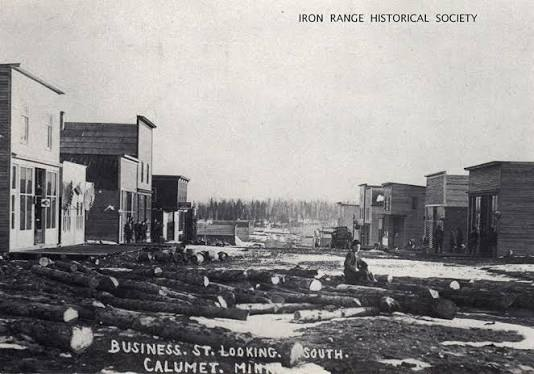
In the beginning
Calumet, Minnesota is a small Itasca County city founded on logging roads in 1907, incorporated in 1909, and named after the French word for a ceremonial pipe. It grew rapidly alongside the massive iron ore operations of the nearby Hill Annex Mine.
Early Roots and Logging
- Logging roads: The main street of Calumet started out as a simple road used to haul timber during the region's heavy logging era.
- Town platting: Lots in the new community went on sale July 27, 1908, in anticipation of the impending iron mining boom on the western Mesabi Range.
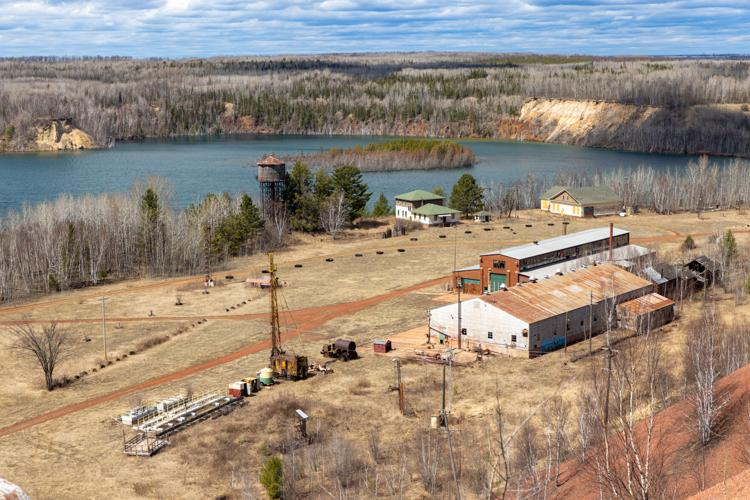
Hill Annex Mine
The Iron Ore Boom and Hill Annex Mine
- Mining development: Test drilling by the Oliver Iron Mining Company took place between 1901 and 1907. Open-pit development began in 1912, with shipping starting in 1914.
- Major producer: The Hill Annex Mine became a massive regional producer and a top source of royalty revenue for the state.
- Closure and park: Operations finally stopped in 1978 when low-grade ore and market changes made mining unviable. The site later transitioned into public hands as a mining history landmark.
- CRC Calumet Reclamation Company:Calumet Reclamation Company is advancing its legacy mining project to build the future of the western Iron Range and region.
Led by Hibbing native Jim Bougalis, Calumet Reclamation Company (CRC) is moving forward with plans to reclaim iron units from legacy iron ore waste rock and concentrate stockpiles from the historic Hill Annex Complex and Arcturus Mine area.
“This project is about more than moving material—it’s about moving the region forward,” Bougalis said. “We’re taking a century of legacy resources and turning them into long-term economic strength for the western Iron Range. This work will create good-paying jobs, restore land for future generations, and build a reliable domestic iron supply that U.S. manufacturers can depend on for decades.”